Hazmat Shipping Training
DOT, IATA & IMDG Training
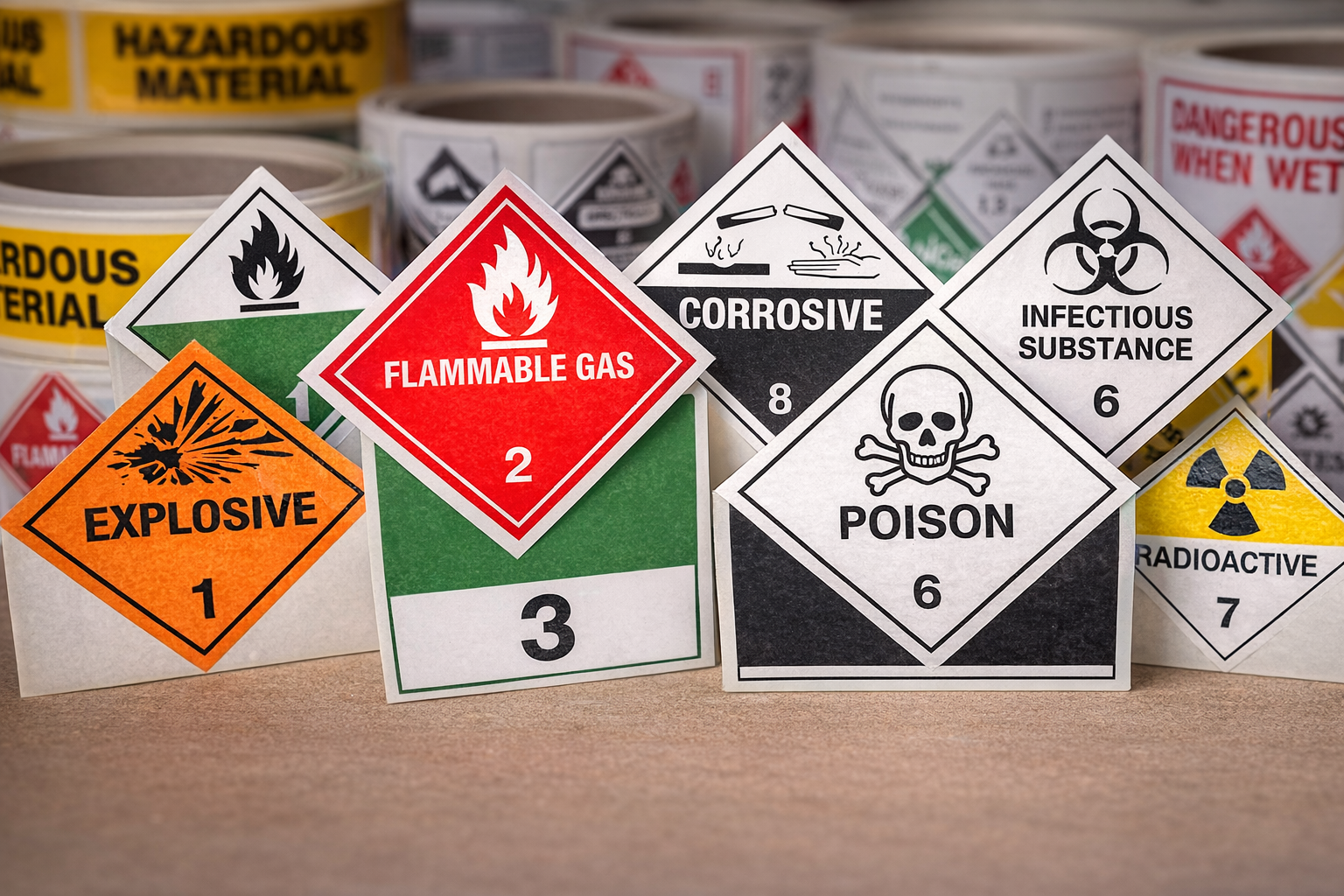
DOT, IATA, and IMDG training fall under the broader framework of Hazardous Materials Transportation Regulations. These regulations govern how dangerous goods are classified, packaged, marked, labeled, documented, and transported safely.
Different regulations apply depending on how materials are shipped. DOT covers transportation by ground, IATA applies to dangerous goods shipped by air, and IMDG governs international transport by sea.
This training is required for employees involved in preparing, handling, packaging, documenting, or shipping hazardous materials so they can meet regulatory requirements and help ensure safe transportation.
Employers are responsible for ensuring that employees involved in hazmat shipping are properly trained before performing these tasks. Failure to comply with regulations can result in fines, shipment delays, or serious safety risks.
Hazmat shipping training is typically required initially and must be renewed periodically to maintain compliance, depending on the applicable regulations and transportation method.
Available Courses
Hazmat Shipping Training Options
DOT Hazmat Shipping (Highway / Rail)
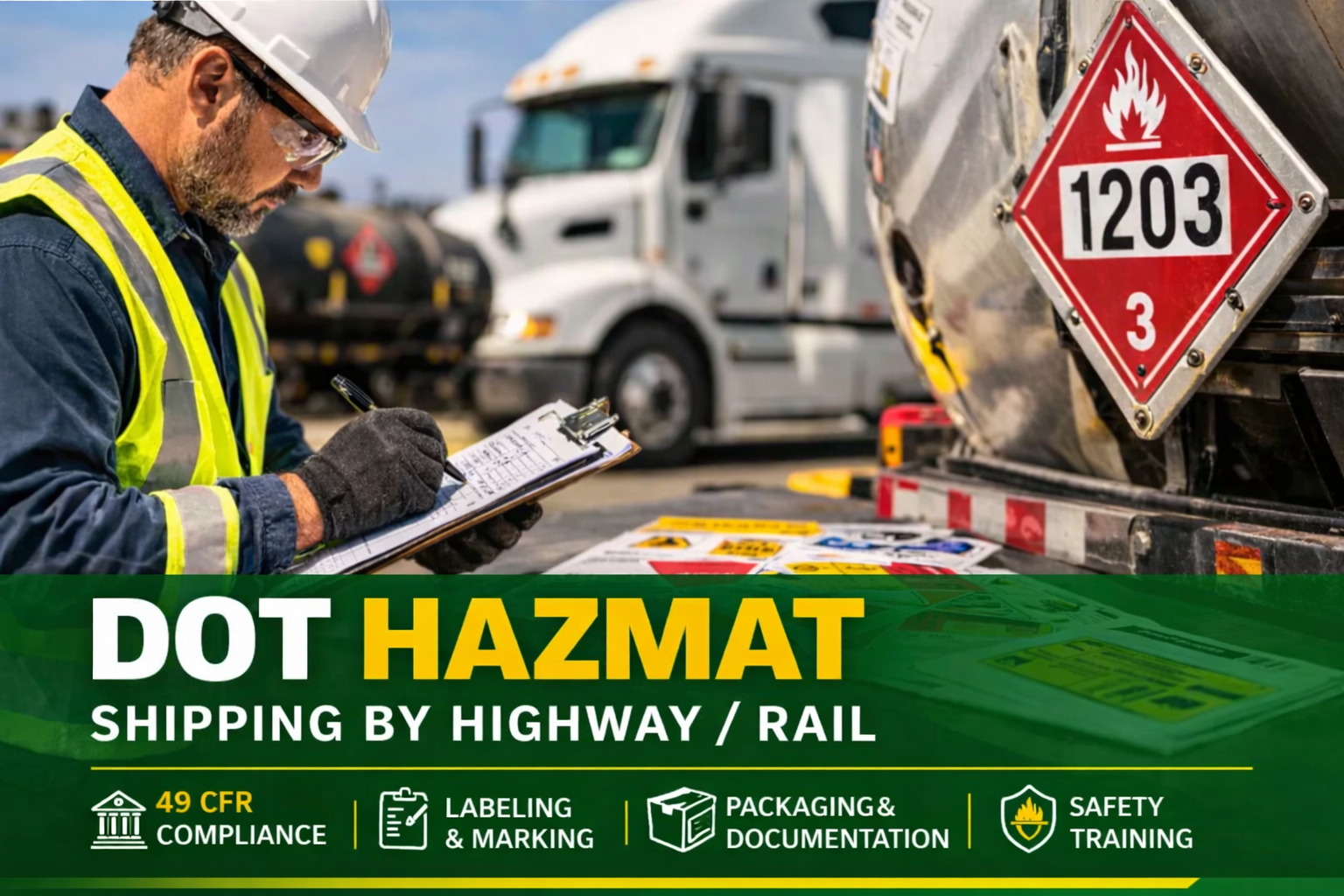
DOT training covers the requirements for shipping hazardous materials by ground under U.S. Department of Transportation regulations (49 CFR). It is required for employees involved in classifying, packaging, marking, labeling, preparing shipping papers, or handling hazardous materials for transportation.
VIEW DATES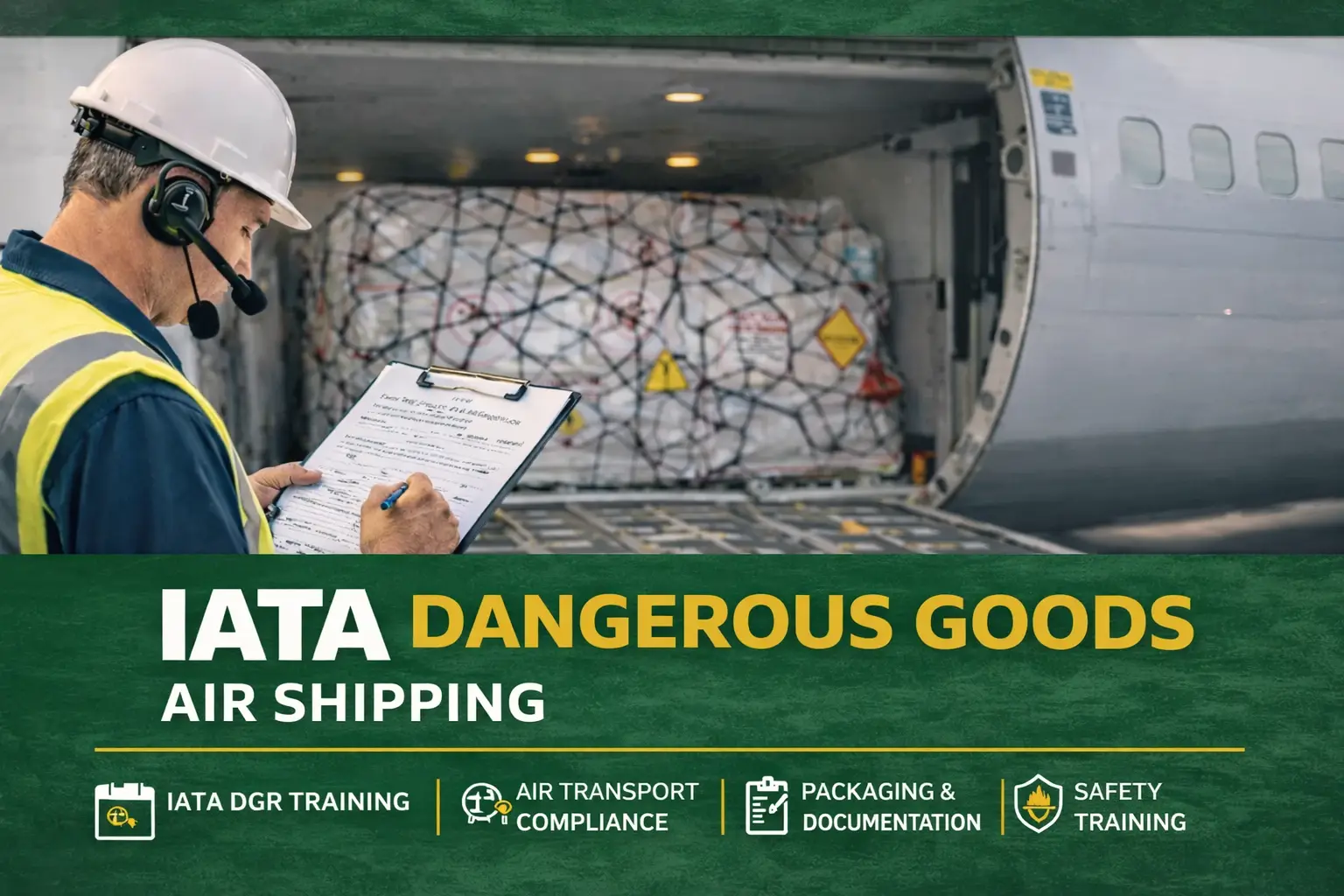
IATA Dangerous Goods Training (Air Shipping)
IATA training is required for employees responsible for shipping dangerous goods by air. This course covers classification, packing instructions, marking, labeling, documentation, and handling requirements to ensure compliance with airline and international air transport regulations.
VIEW DATES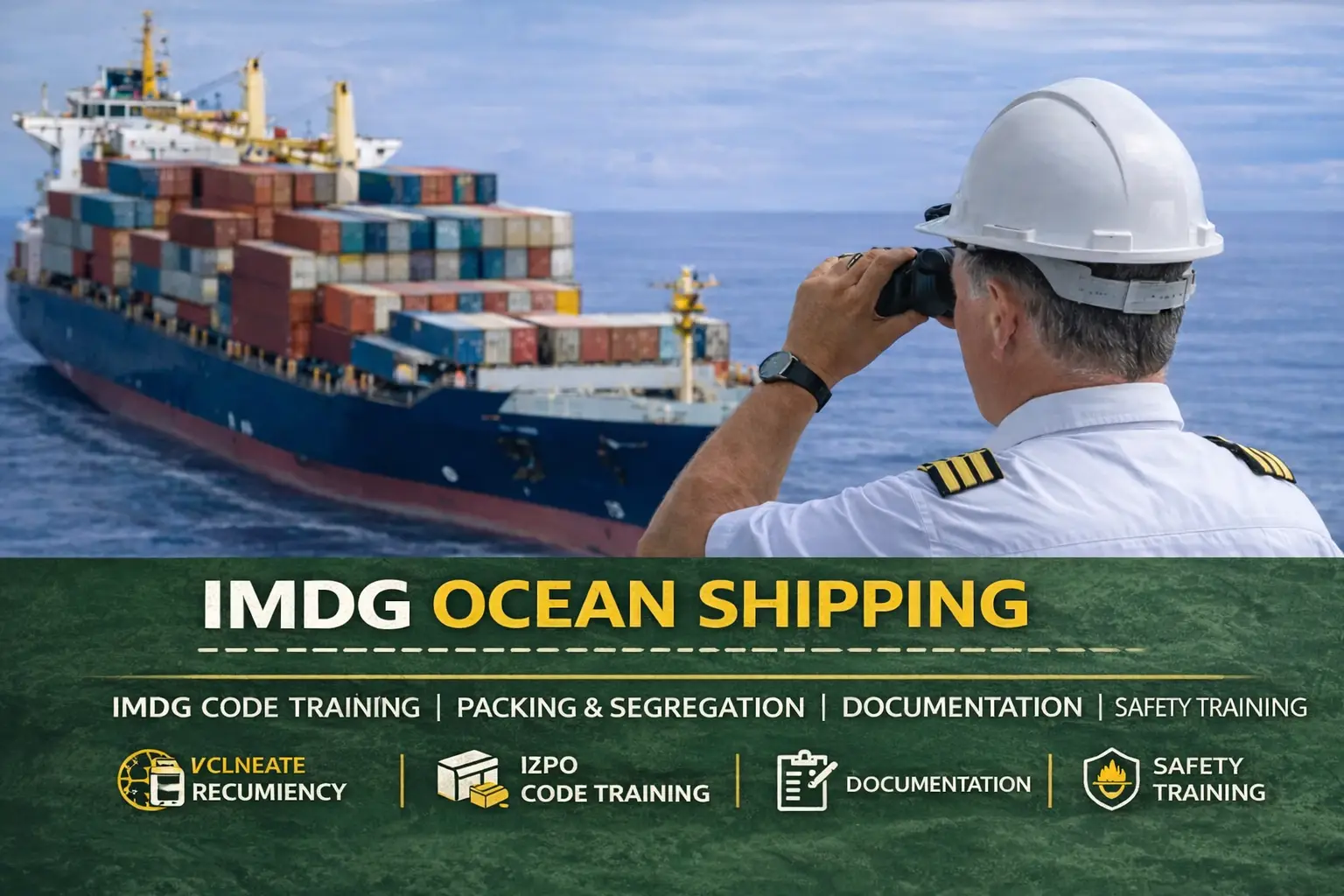
IMDG Dangerous Goods Training (Ocean Shipping)
IMDG training applies to employees involved in shipping dangerous goods by vessel under the International Maritime Dangerous Goods Code. It covers classification, packaging, marking, labeling, documentation, and safe transport of hazardous materials by sea.
VIEW DATES